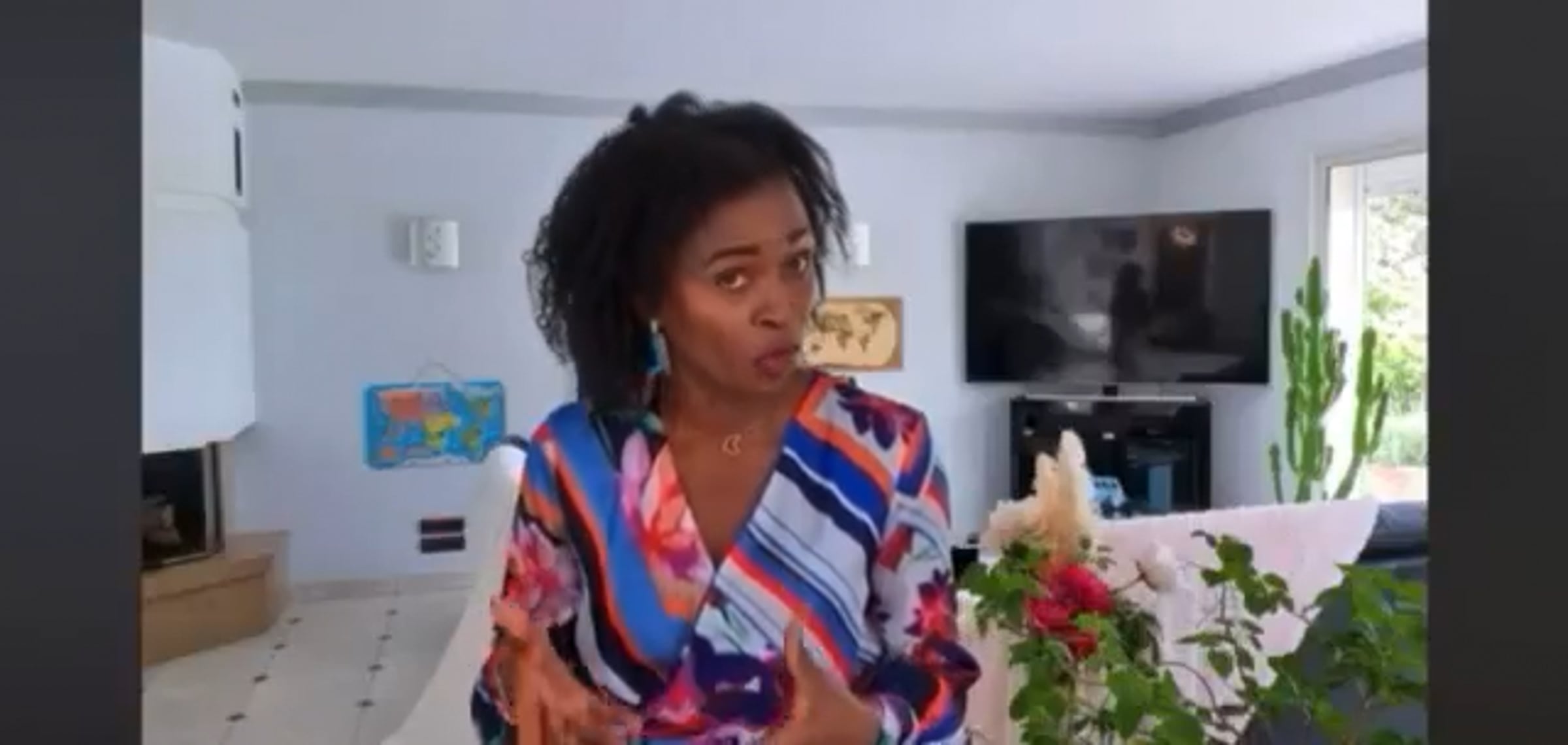
Milan — severely behind in school
From a struggling student despite help from several specialists, to a fast learner in just a few months. Watch his full video testimonial.
Discover what the method can reveal in your child — book a free assessment →Every family has its own starting point. Here are some of their stories.
From a struggling student despite help from several specialists, to a fast learner in just a few months. Watch his full video testimonial.
Discover what the method can reveal in your child — book a free assessment →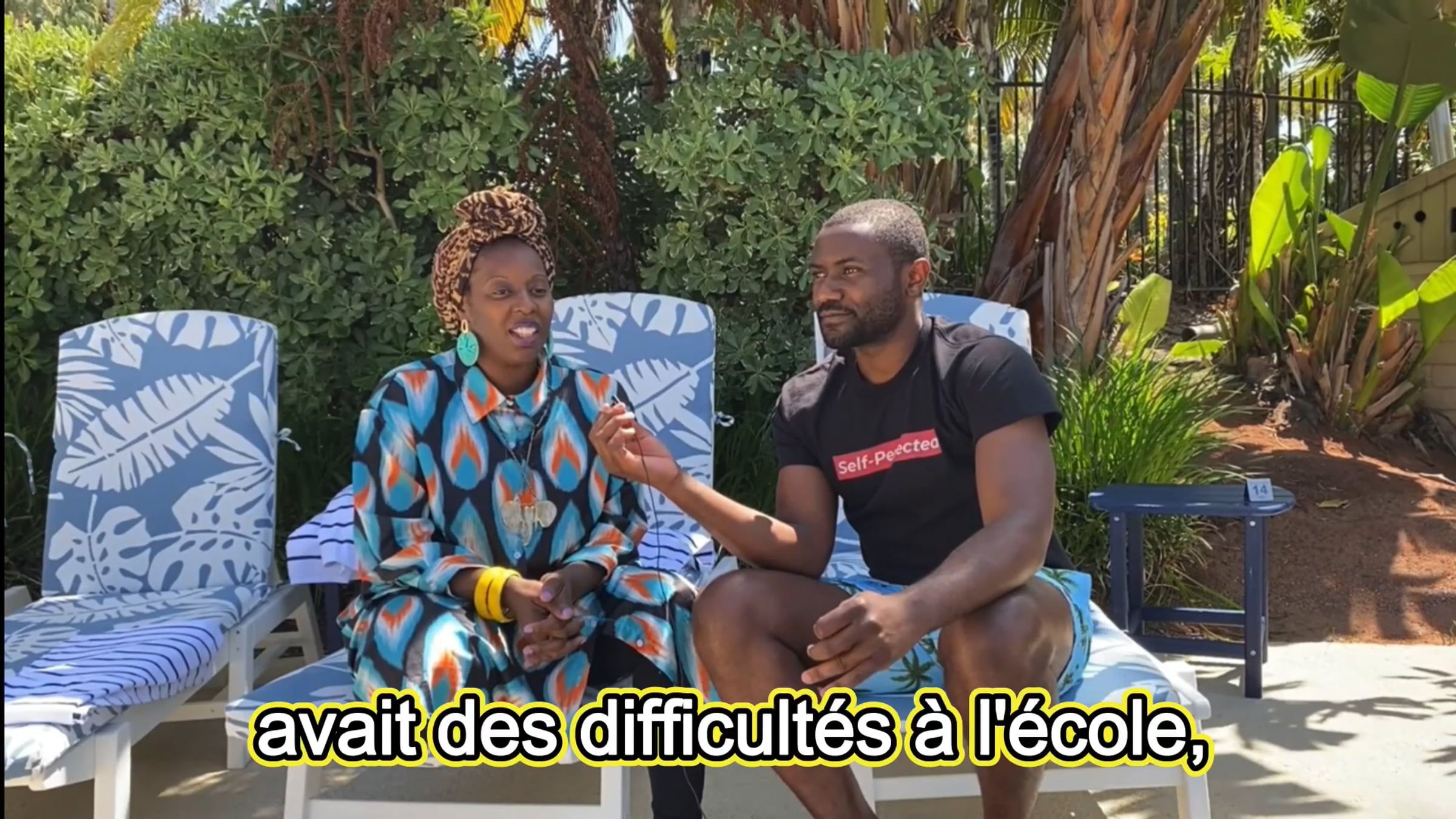
Joyce shares her experience with the method in her full video testimonial.
Discover what the method can reveal in your child — book a free assessment →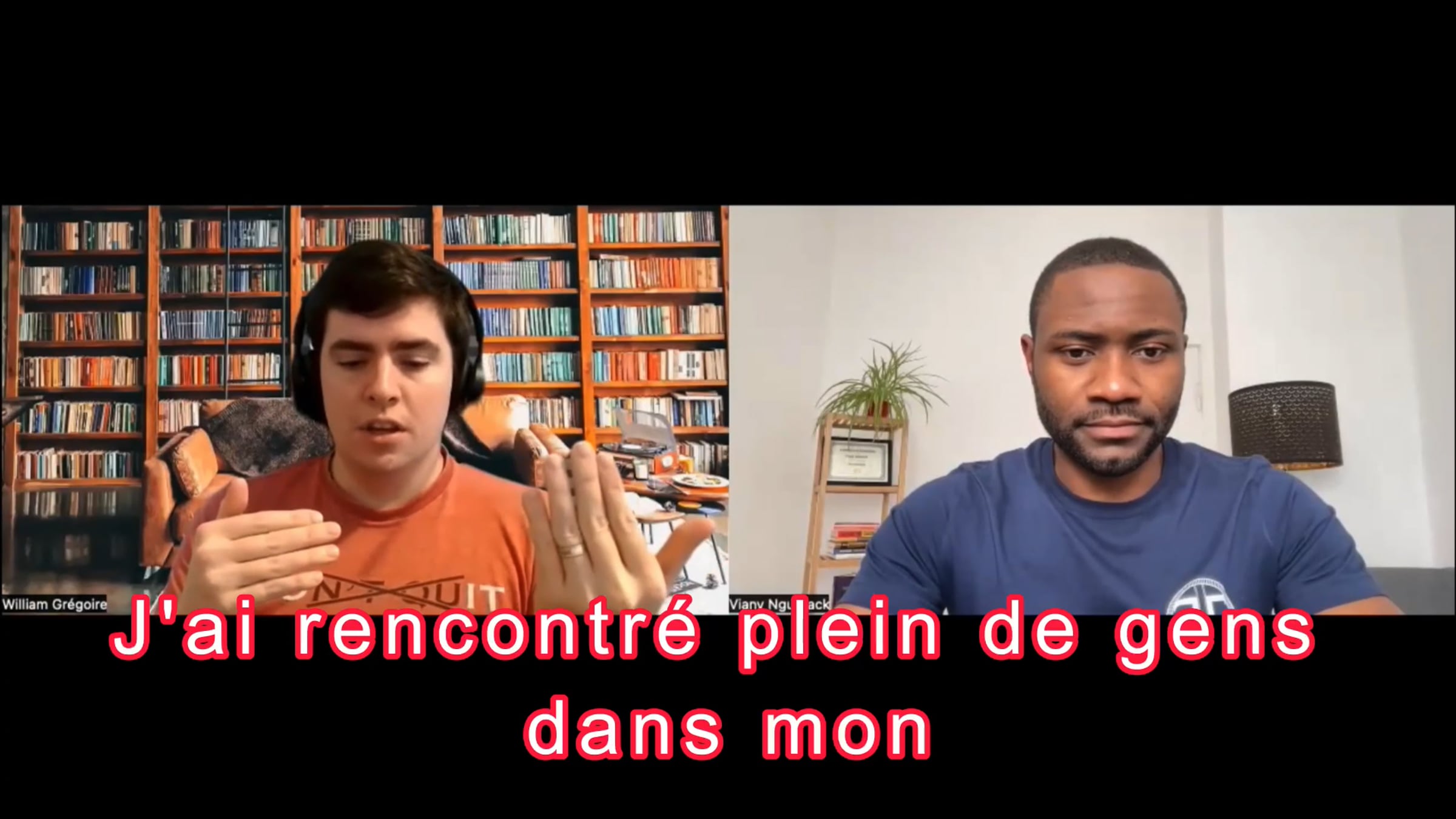
The method's effect on an adult learner — see his full testimonial.
Discover what the method can reveal in your child — book a free assessment →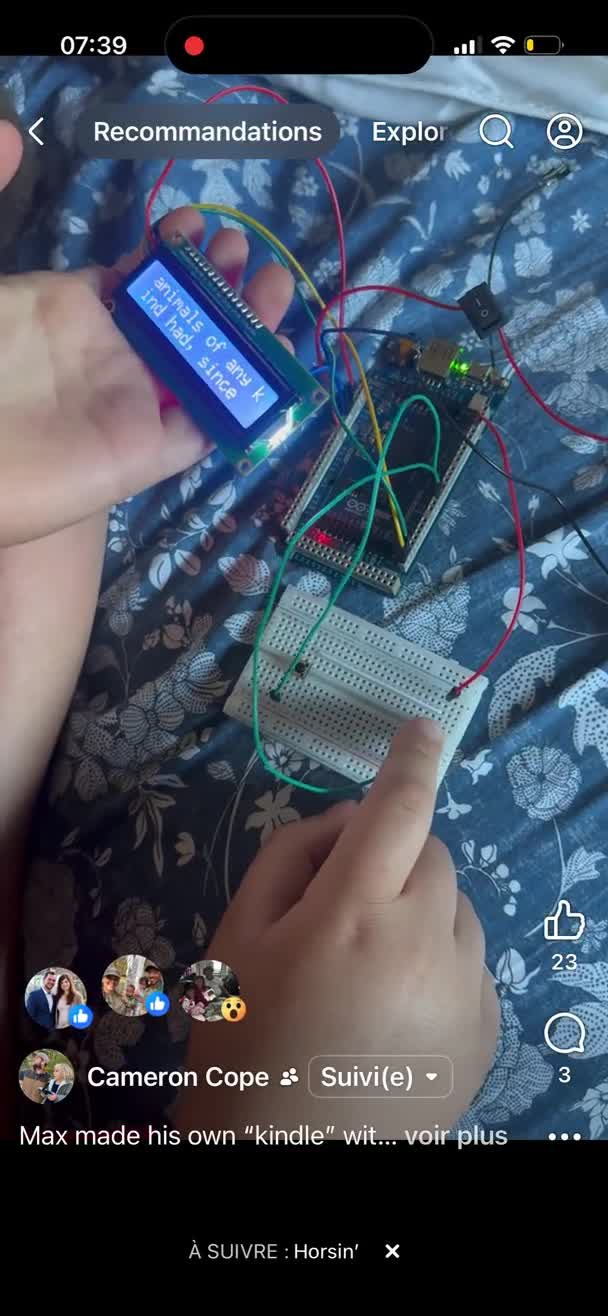
In the video, Max wires up an electronic circuit by himself — a microcontroller, an LCD screen, a 9-volt battery — to build his own e-reader, a kind of homemade “Kindle”.
A project like this takes far more than following instructions. Putting together a working circuit requires understanding how information flows through a system. Writing the code that shows the right text at the right moment requires abstract, sequential logic. And getting the whole thing to work — from the first connection to the moment the screen finally lights up with the right text — takes perseverance through failure: connect, test, get it wrong, start again, with no teacher there to say which step comes next.
That is exactly the ability we aim to develop in every child: not just following a curriculum, but becoming able to turn an idea into a concrete result, on their own.
Discover what the method can reveal in your child — book a free assessment →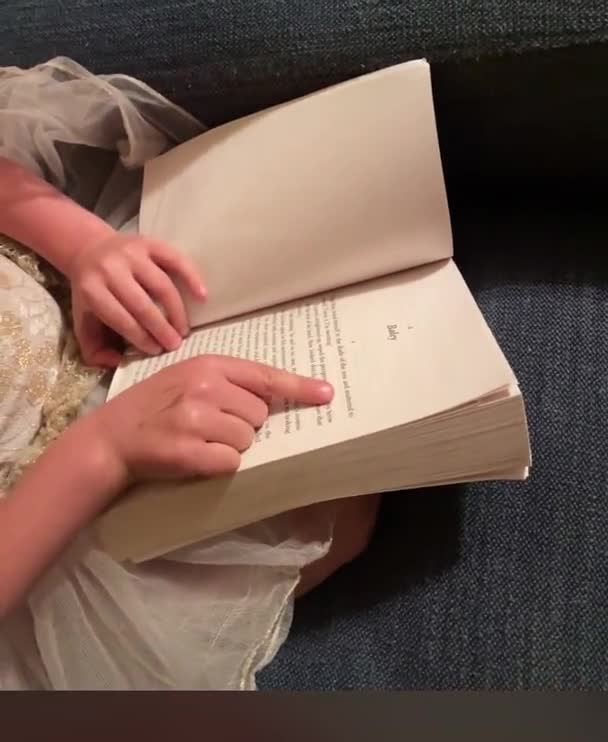
In the video, Seneca sits on her own with a real novel open on her lap — not a picture book. She follows the lines with her finger and moves through the text, without an adult reading along or pointing out the words.
At this age, reading like this already combines several skills: recognizing letters and blending them into sounds, then words; keeping her attention on dense text with no pictures to guide understanding; following the lines independently, left to right and from one line to the next; and staying engaged with the story long enough to keep going without getting discouraged.
These are exactly the foundations of reading independence — the ability to process a text on one's own, without depending on someone to decode it for you.
Discover what the method can reveal in your child — book a free assessment →
The video is one continuous recording, with no editing: Wanilo starts at chapter 1 of “La maison des géants” and reads aloud all the way to the word “Fin” (The End), about 15 minutes later.
Reading dense text aloud for that long, without stopping or losing the thread, requires decoding that has become automatic — the child no longer sounds out letter by letter, he recognizes words directly, which frees his attention to follow the story.
Discover what the method can reveal in your child — book a free assessment →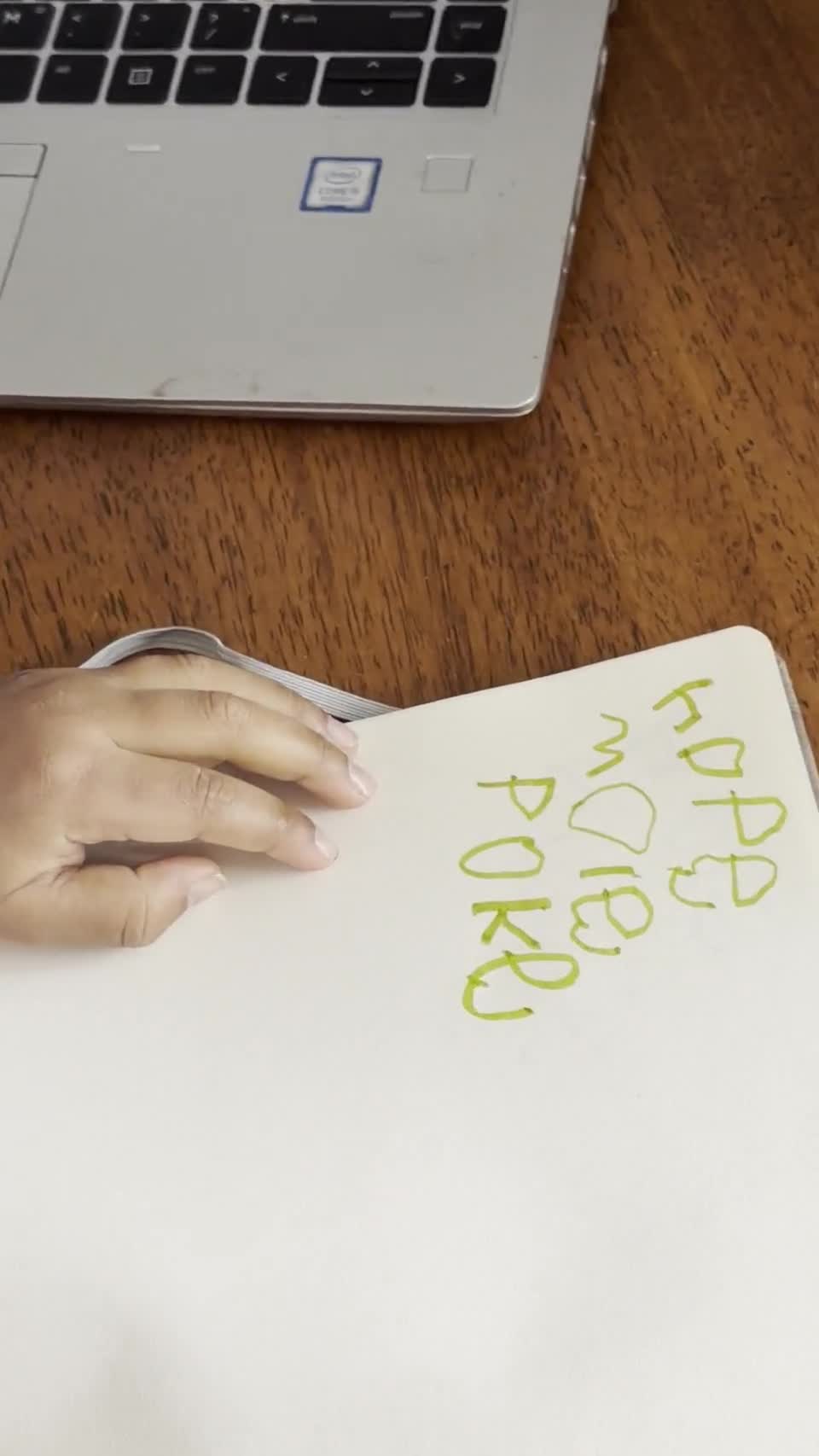
In the video, Wanilo writes letters with a marker on a large sheet of paper, sitting at the table. Gaétan explains that they never had to hold his hand or help him while he practised.
We've seen the same thing in children who use our system: when symbols are well internalized, they are reproduced naturally. Before writing a letter, a child must have seen it, recognized it and remembered it — its shape, its name, its place in a word. Once that step is done, writing becomes reproduction rather than guided imitation.
It's a concrete sign of independence: the child practises at their own pace, without relying on an adult for every move.
Discover what the method can reveal in your child — book a free assessment →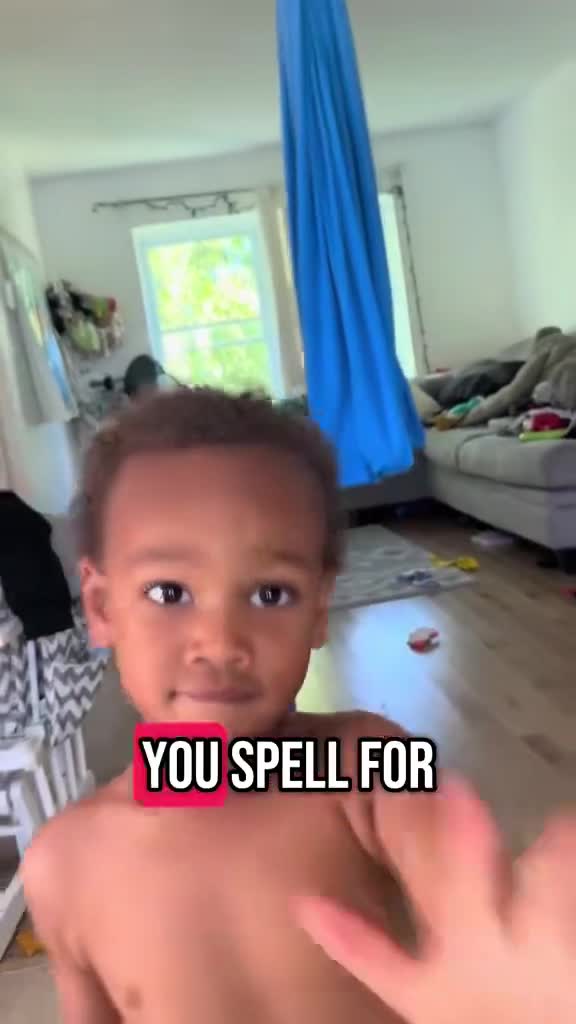
In this video, Wanilo, then 3 years old, spells words for his father, letter by letter, in English.
Spelling a word aloud requires knowing the name of each letter, linking the sounds of the word to the letters that make it up, and holding the whole sequence in memory to say it back in the right order. It's a combination of skills usually associated with older children.
That's what we mean by developing the ability to learn: solid foundations, laid early, that the child then builds on by themselves.
Discover what the method can reveal in your child — book a free assessment →
In the video, Wanilo, age 4, does mental math.
Calculating in your head requires understanding what quantities represent, keeping several numbers in memory and working with them without any visual aid. It's a form of abstract reasoning.
It's the same information-processing ability we aim to develop in every child, whatever the subject.
Discover what the method can reveal in your child — book a free assessment →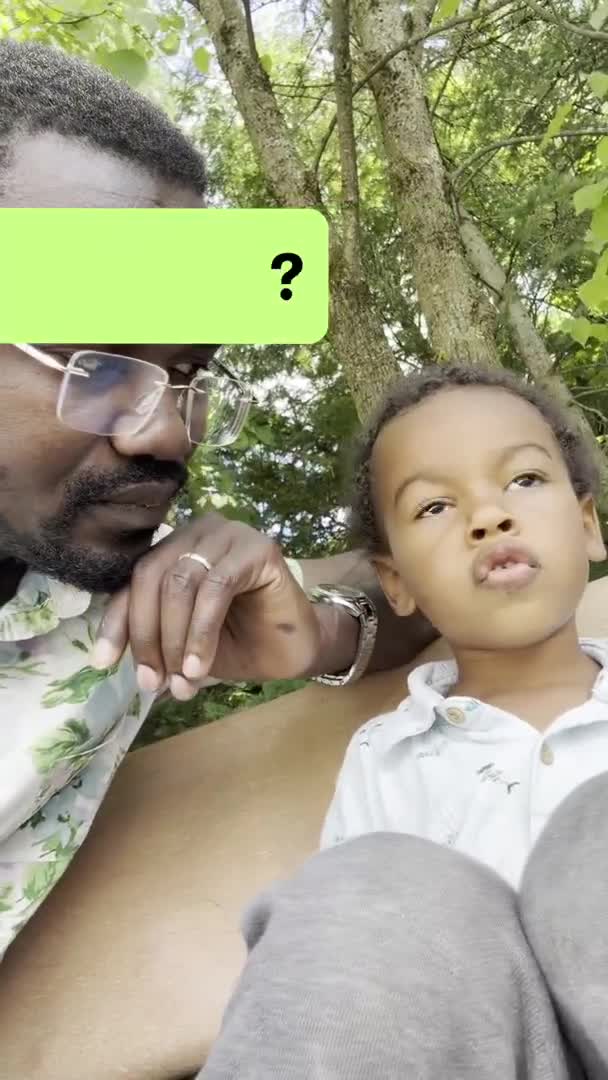
Djidévi isn't even 3 yet: he is 2 years and 10 months old in this video. Sitting outside, he spells words letter by letter, and the letters appear on screen as he goes.
At this age, spelling already means knowing the names of the letters, matching them to sounds and keeping the sequence in memory.
What this video shows is that a very young child can build solid foundations when symbols are presented the right way. That's what we see with our method.
Discover what the method can reveal in your child — book a free assessment →More family stories will be added here soon.
These testimonials reflect real individual experiences. Results may vary depending on personal commitment and consistent use of the method.